Technical Specifications and Performance Parameters
WiFi Wireless Machine Counter
Model: WS-WIFI-CONT
Wireless Communication Specifications
- Communication Frequency: 2.4GHz WiFi 802.11b/g/n
- Max Transmission Rate: 54 Mbps
- Transmit Power: 17 dBm(1DSSS), 13.5 dBm(54 OFDM)
- Receive Sensitivity: Minimum –94.7 dBm
- Encryption Standard: WEP / WPA / WPA2
- RFID Frequency: 13.56MHz
Counting Function Specifications
- Counting Range: 00000–99999
- Counting Frequency: Up to 20Hz
- Minimum Pulse Width: 10 ms
- Reset Pulse Width: 0.1 s
Hardware Specifications
- Main Unit Dimensions: 110 × 72.5 × 26 mm
- Antenna Length: 170 mm
- Operating Temperature: -10°C ~ 60°C
- Protection Rating: IP54
- Power Supply: DC 12-24V
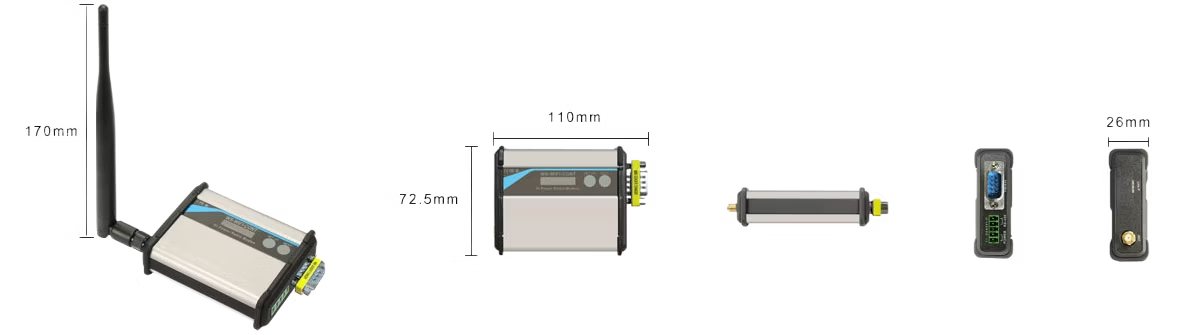
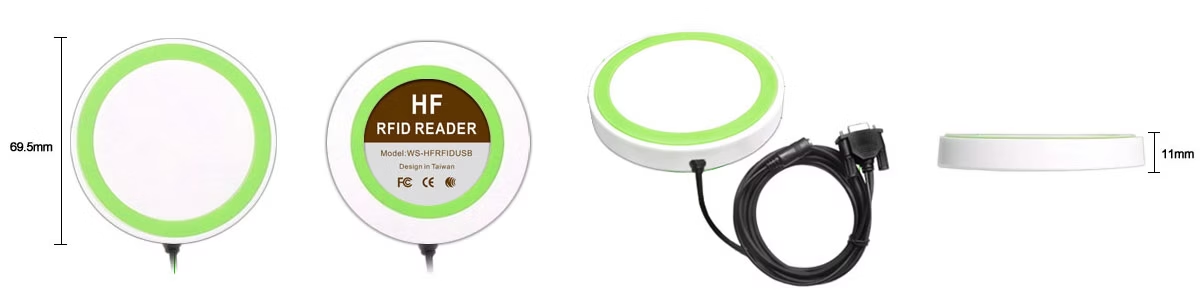
HF RFID Desktop Reader
Model: WS-HFRFIDUART-TTL
- Operating Frequency: 13.56MHz
- Communication Method: Standard HID communication
- Interface: USB interface / UART TTL output interface
- Operating Mode: Timed automatic card reading, external trigger controlled card reading, or software command card reading (card reading method configurable)
- Power Supply: USB universal serial bus interface power supply
- Reading Distance: Adjustable identification range: 3~10cm
- Read/Write Antenna: Built-in card reading antenna
- Supported Card Types: MIFARE 1 S50, MIFARE 1 S70, FM11RF08 and compatible RFID cards
- Power Consumption: Less than 0.5 W
- Operating Environment: Temperature 0~50℃, atmospheric pressure: 88~106Kpa
- Storage Temperature: -10℃~+80℃
- Operating Humidity: 50%~95% (non-condensing)
- Dimensions: Diameter 69.5mm, thickness 11mm
System Operation Principles and Integration Architecture
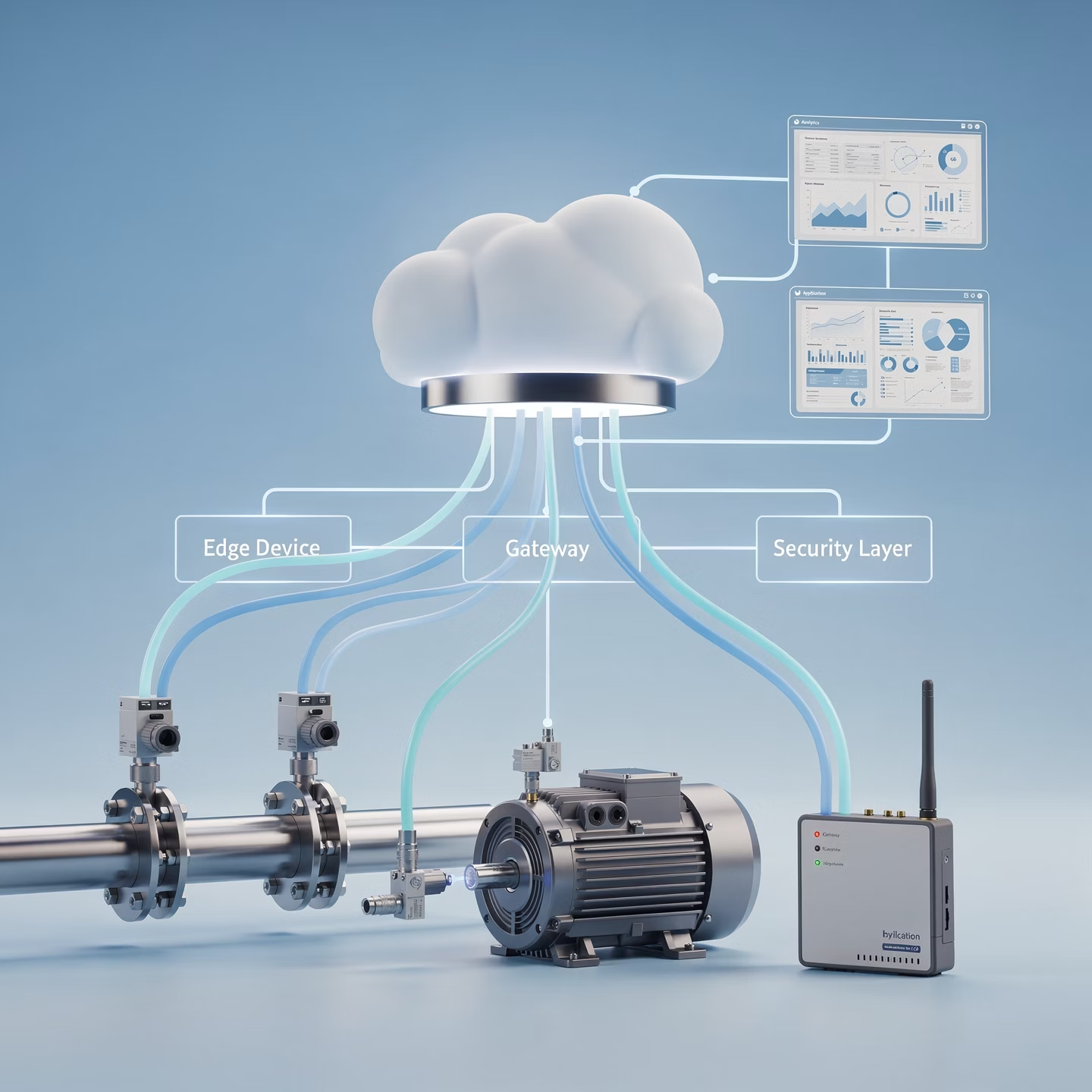
- Equipment Installation and Connection Install the counter on the target machine, connect the counting pulse input and power supply, and set WiFi connection parameters.
- Wireless Data Transmission Real-time transmission of machine operating status, counting data, and alarm messages to the backend server via 2.4GHz WiFi.
- Personnel Identification Operators log in using RFID card sensing, and the system automatically records the correspondence between operators and production data.
- System Data Integration Seamless integration of data into MES (Manufacturing Execution System), ERP (Enterprise Resource Planning), or IoT (Internet of Things) platforms.
- On-site Status Display Real-time display of counting values and equipment status feedback to operators via LED indicators or LCD screens.
The system adopts a modular design, allowing flexible configuration of functions according to on-site needs. The basic version provides counting and wireless transmission, while the advanced version can be equipped with expansion modules such as RFID readers, external displays, and multi-point inputs to meet application requirements of different scales and complexities.
Six Core Competitive Advantages

Wireless Automated Deployment
Breaks free from traditional wired cabling restrictions, significantly reducing installation costs and construction time. No re-wiring needed when machines are moved or production lines are adjusted.
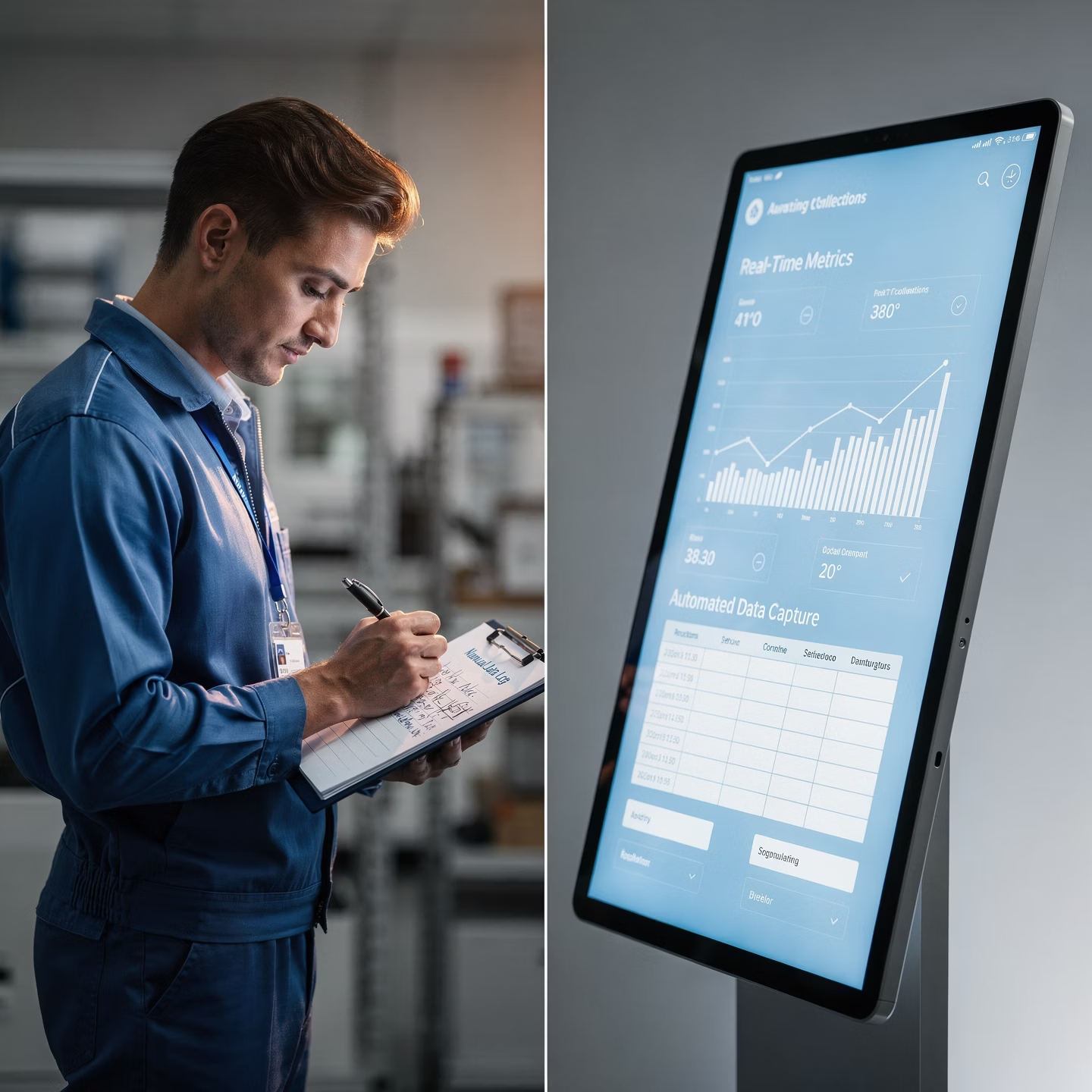
Eliminate Manual Errors
Automated data collection replaces manual recording, avoiding omissions, errors, and delayed entries, ensuring the accuracy and timeliness of production data.
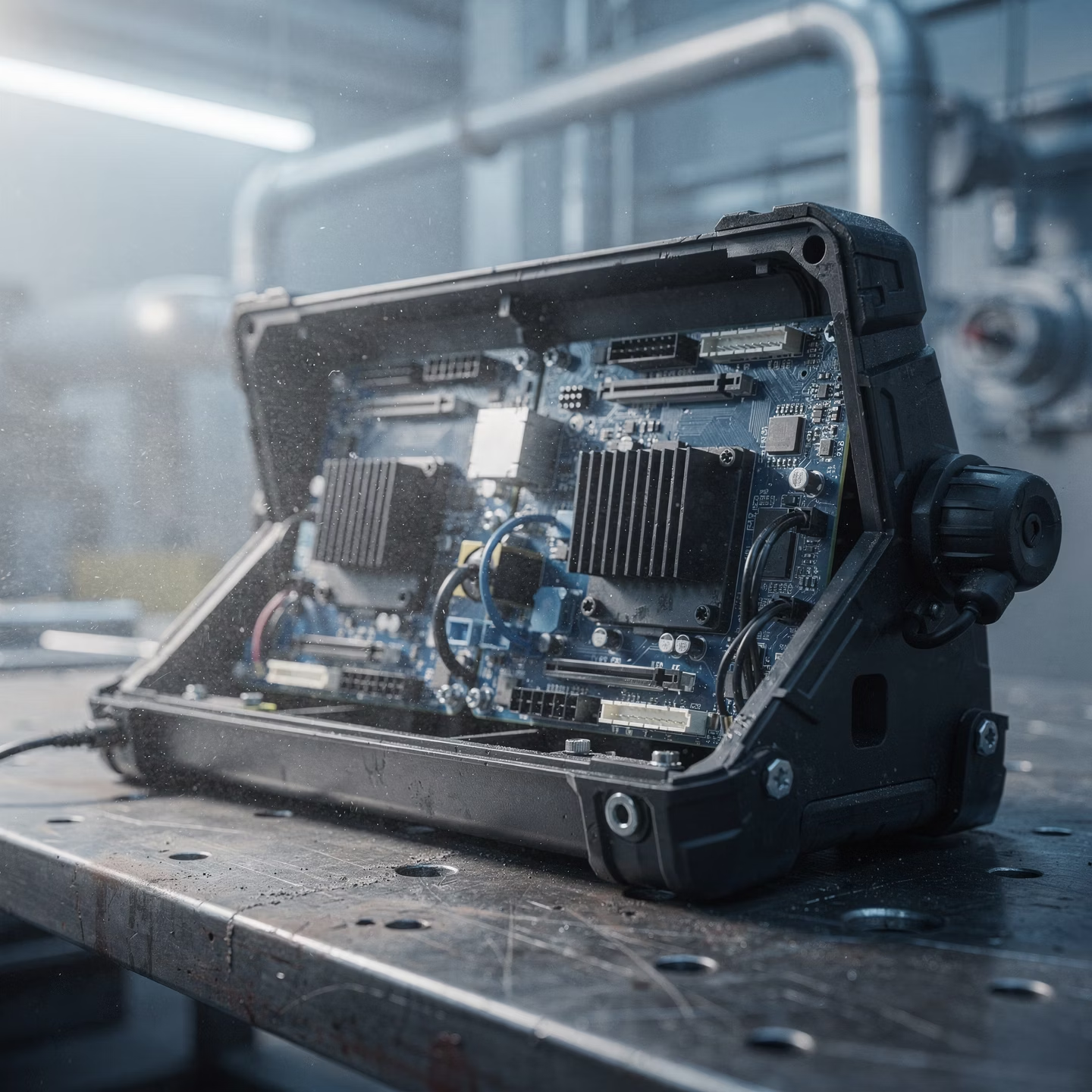
Industrial-Grade Stability and Reliability
Utilizes industrial-grade electronic components, offering excellent resistance to vibration and interference. Low-power design ensures stable operation for extended periods.
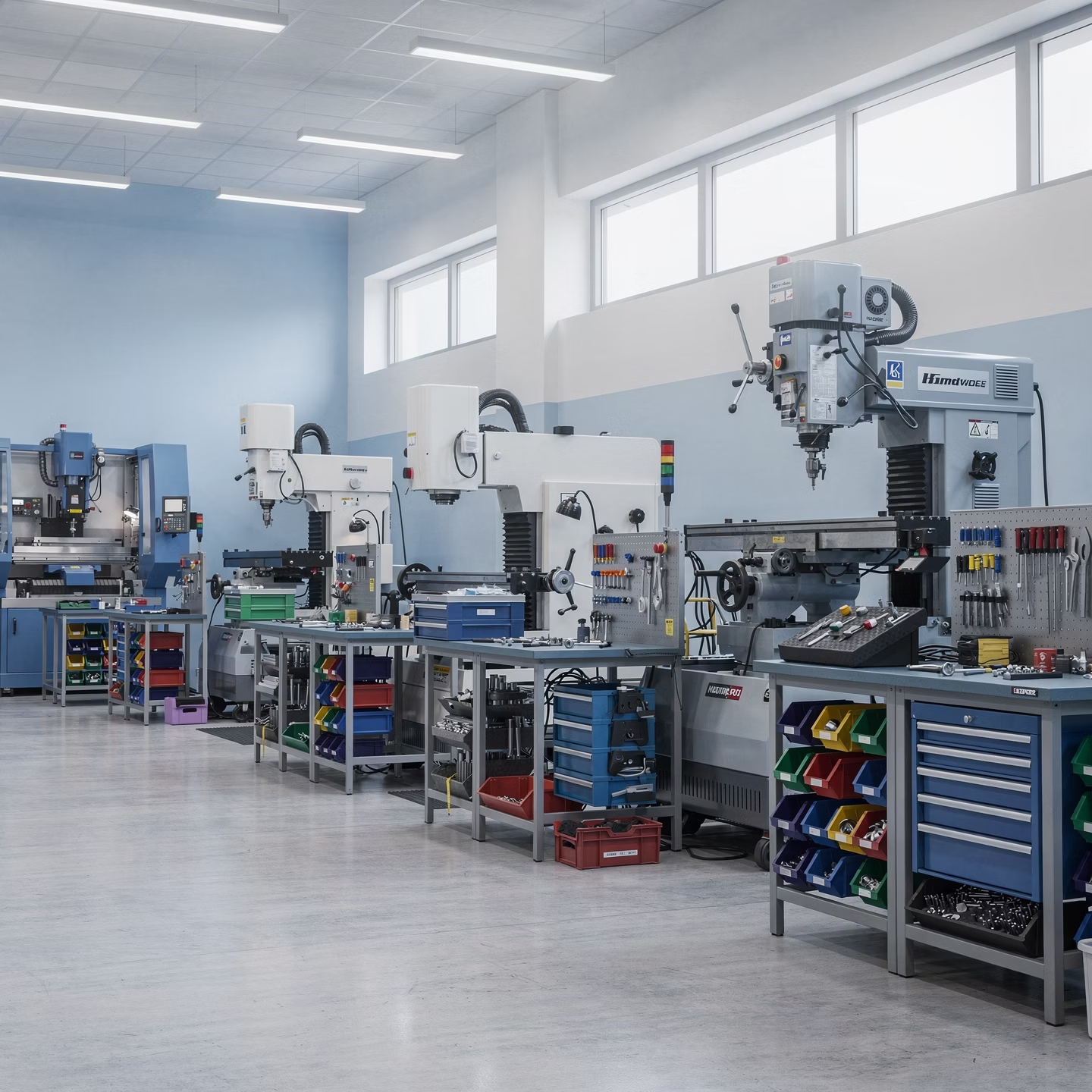
Extensive Equipment Compatibility
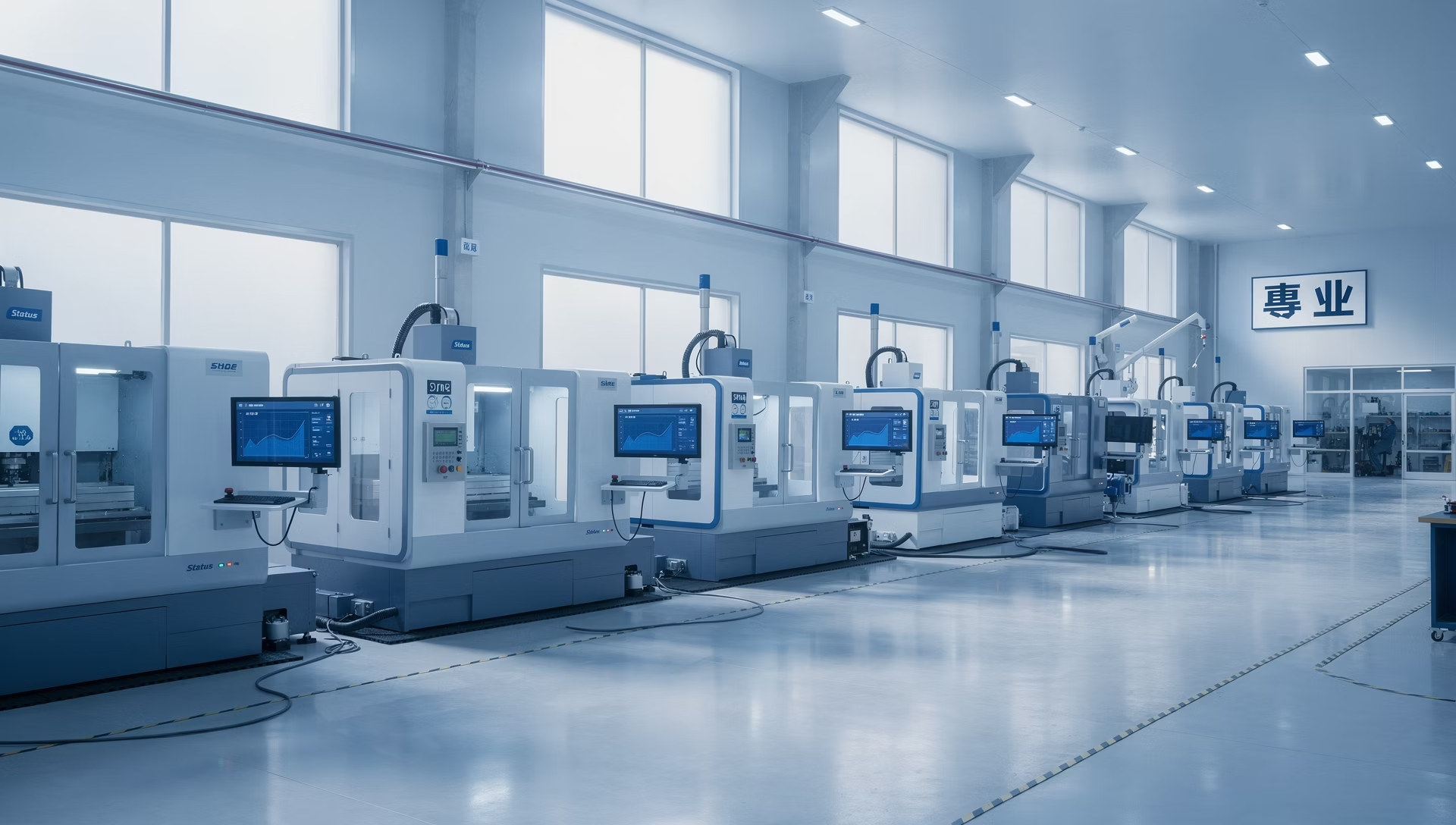
Supports various machine types such as CNC, lathes, milling machines, drilling machines, grinding machines, and wire cutting. Standard pulse interface adapts to most machine tools.
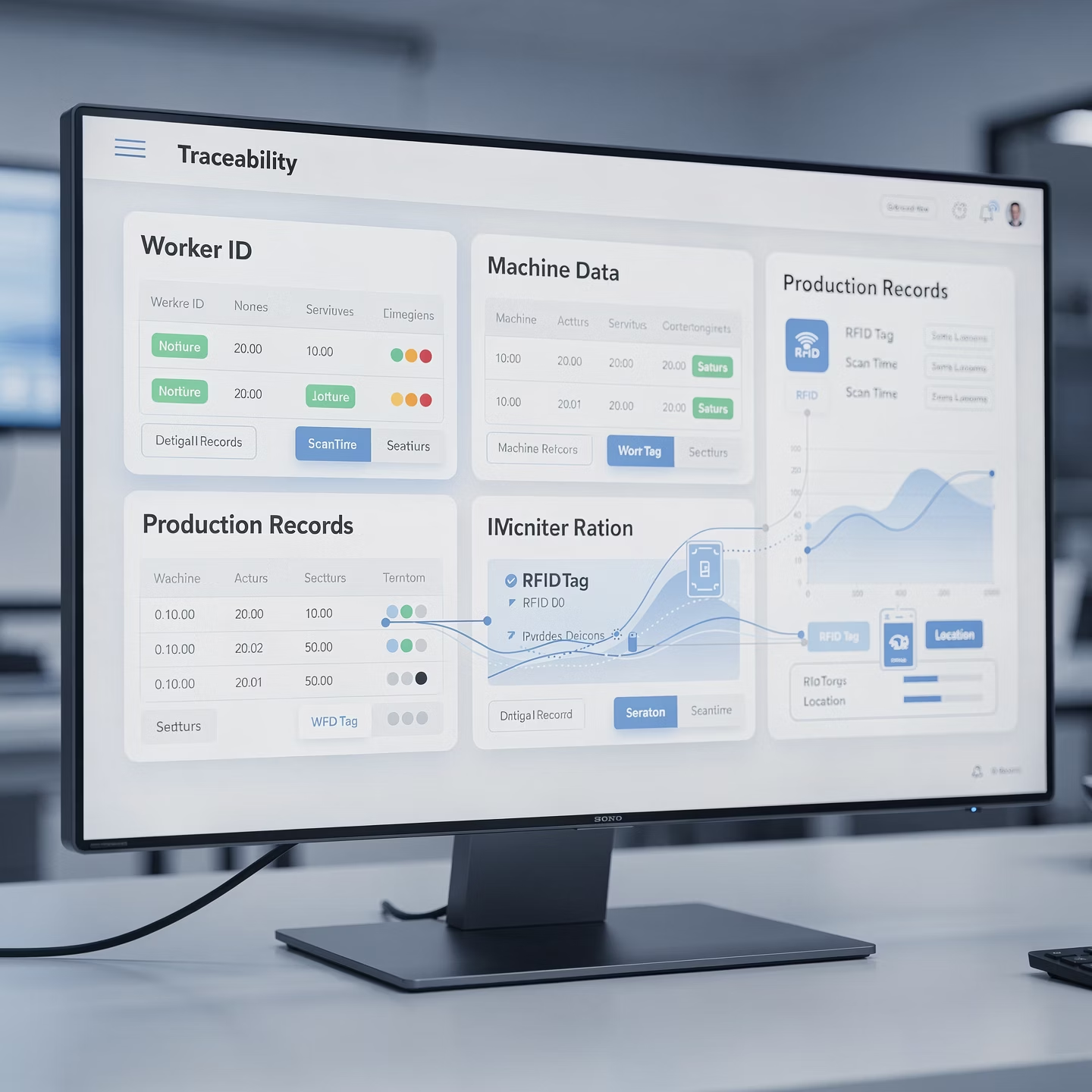
Comprehensive Traceability Management
Integrates RFID personnel identification to establish a complete record of personnel, machines, and production quantities, meeting quality audit requirements.
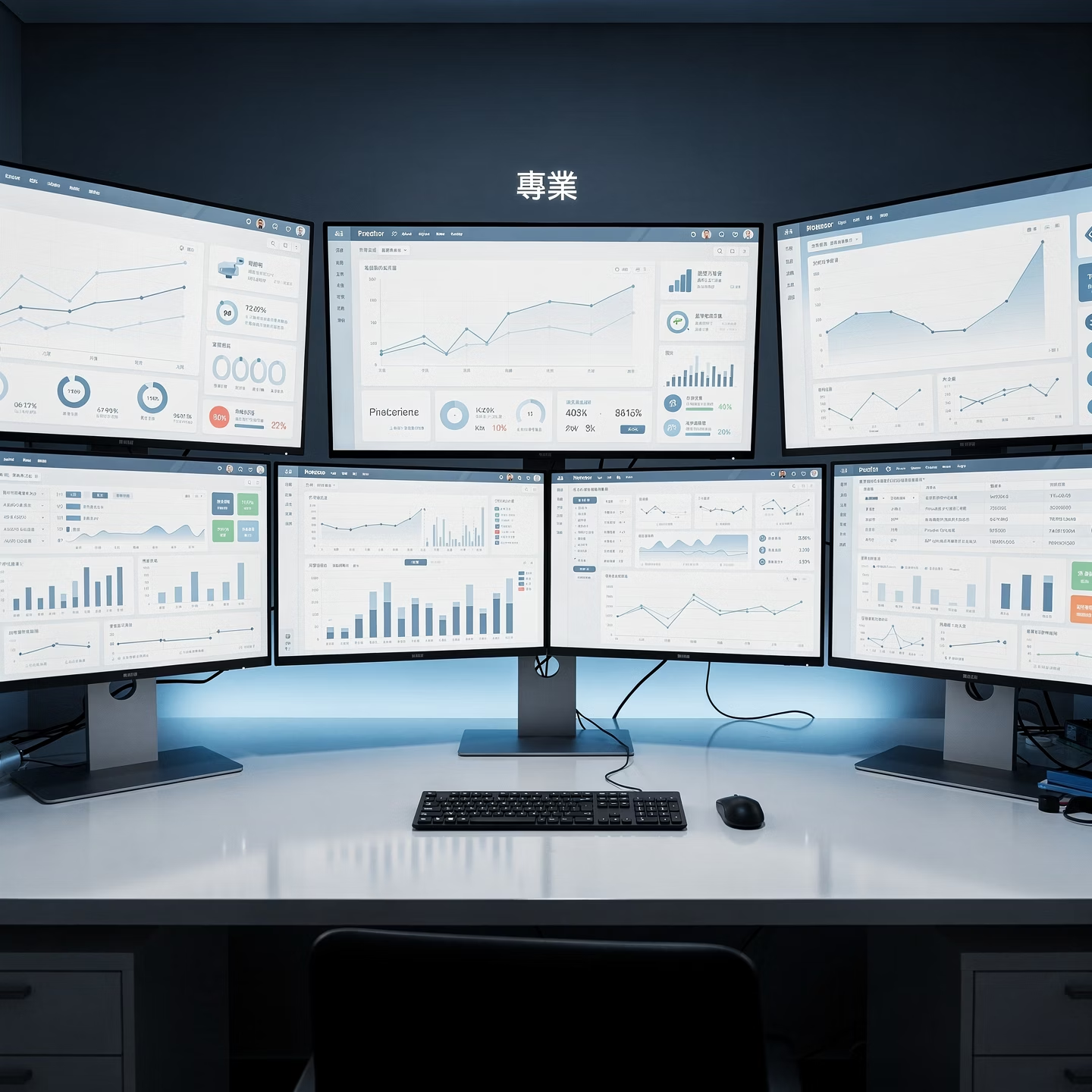
Real-time Data Analysis
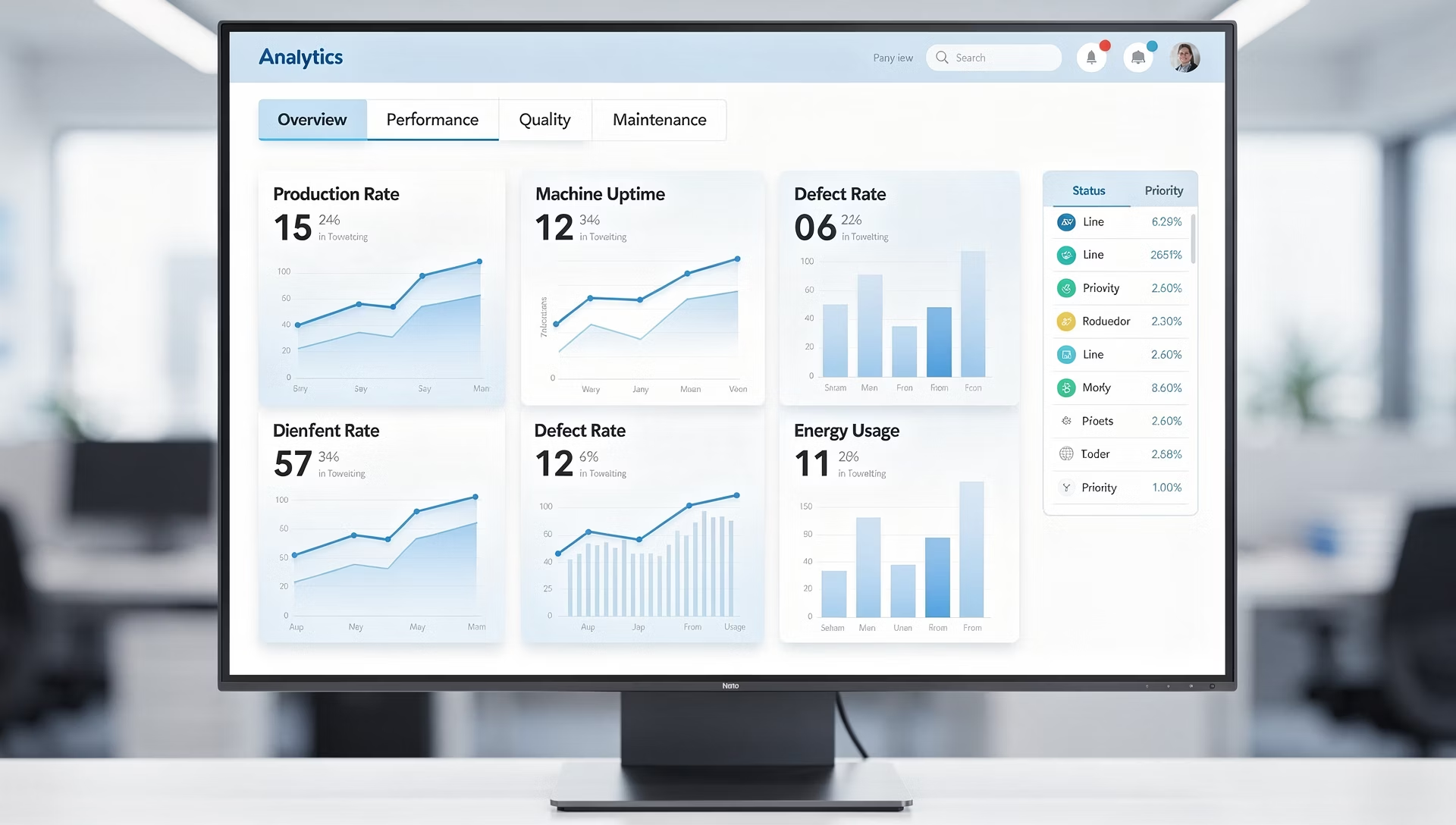
Data is instantly transmitted to the cloud or local server, allowing for analysis of capacity, utilization rates, and anomaly trends through reports and dashboards to support decision-making.
Deployment and Implementation Notes
Environmental Infrastructure Requirements
WiFi Network Coverage
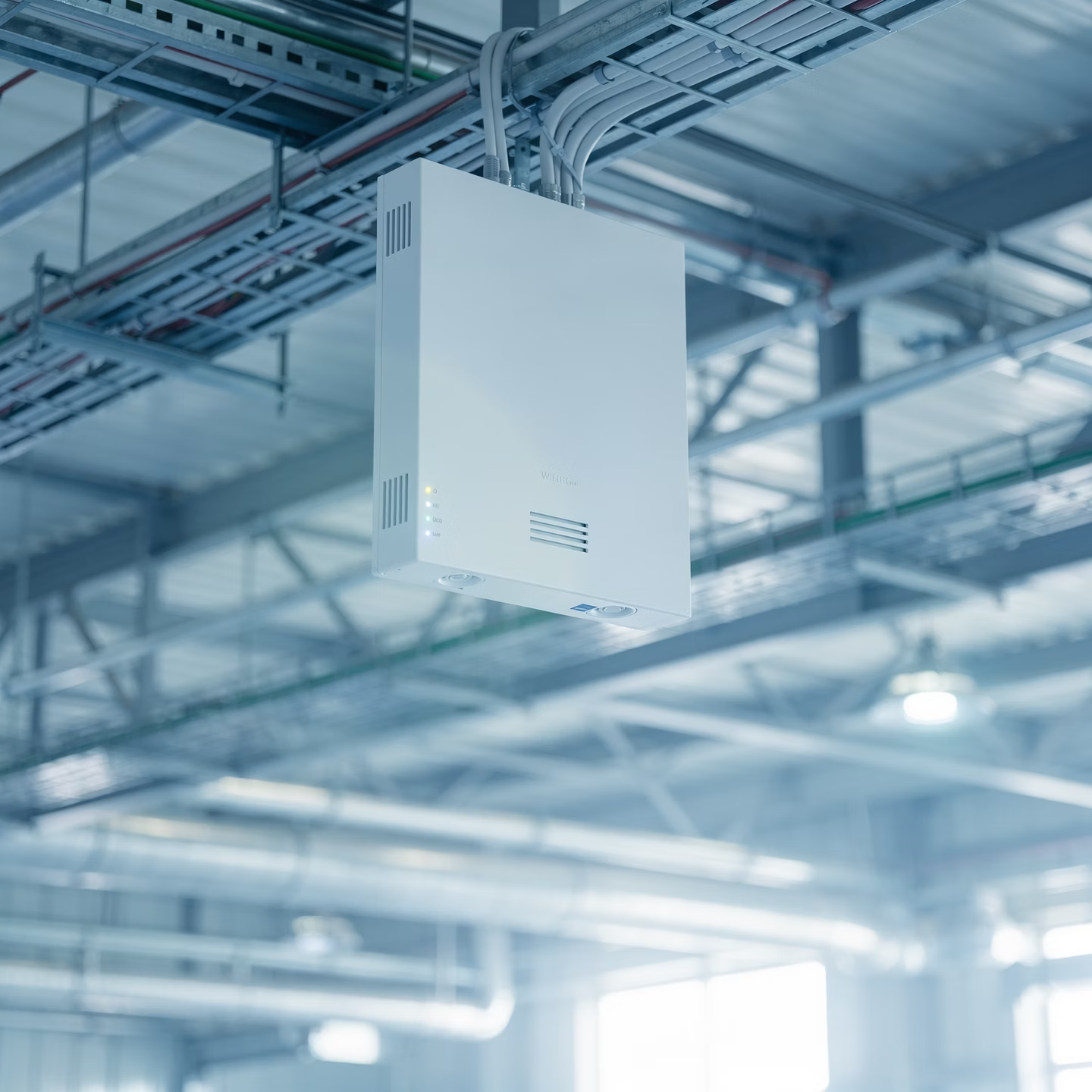
The factory area must have stable WiFi signal coverage. Industrial-grade APs are recommended, with signal strength needing to exceed -70 dBm to ensure stable connection.
Machine Signal Output
Target machines need to have pulse output functionality. If this interface is not available, external sensing devices such as photoelectric sensors, proximity switches, or Hall sensors must be installed.
Power Supply Planning
Each counter requires a stable DC 12-24V power supply. It is recommended to use an independent switching power supply to avoid sharing with the machine's main power source.
System Integration and Cybersecurity Considerations
Backend System Integration
It is recommended to integrate with MES (Manufacturing Execution System) or IoT platforms for data consolidation and analysis. Data exchange can be done via REST API or MQTT protocols.
RFID Optional Evaluation
RFID personnel identification is an optional feature. It is recommended for companies that require personnel performance management, quality traceability, or compliance with specific certification requirements.
Network Information Security
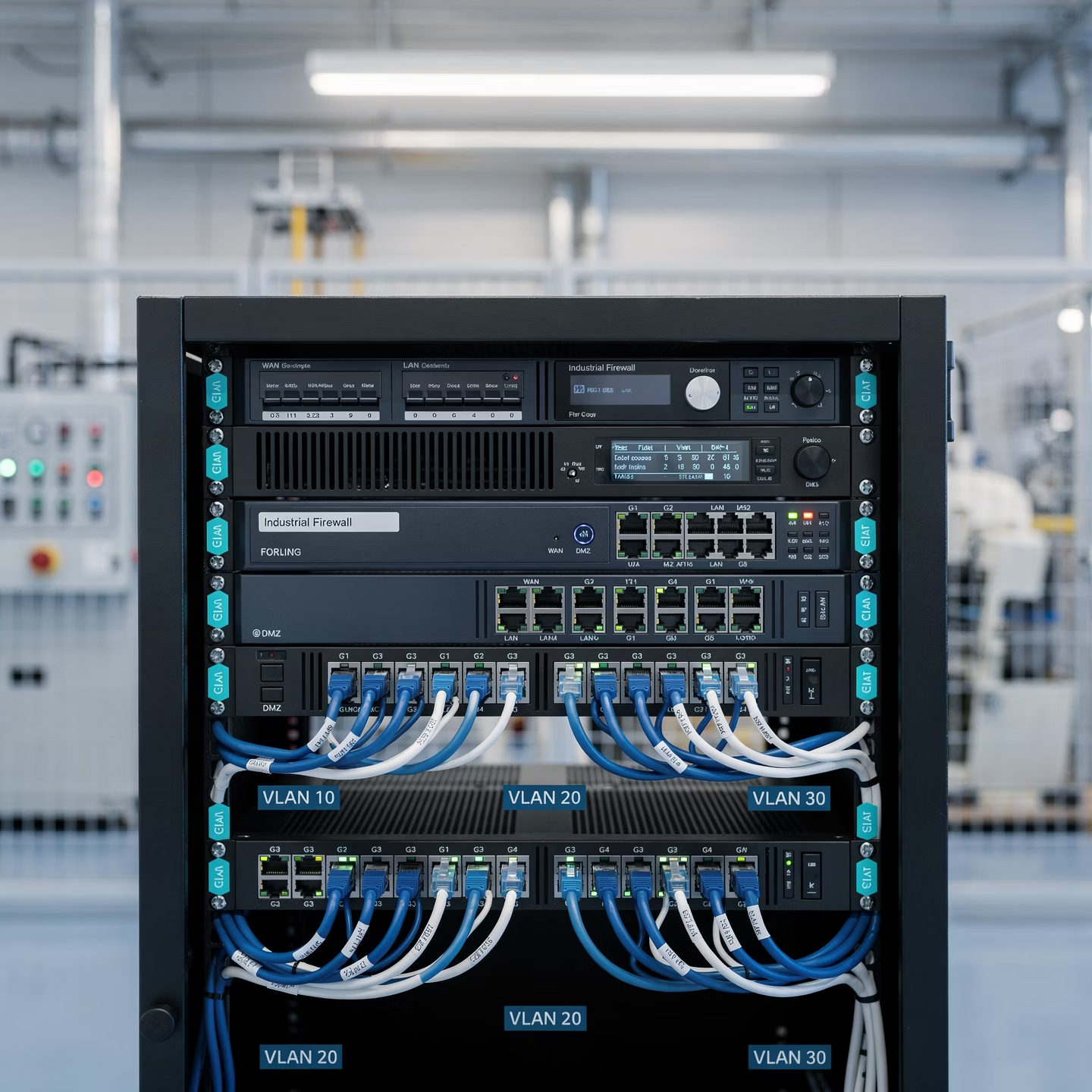
It is strongly recommended to use WPA2 or higher encryption standards, regularly update passwords, and isolate IoT devices from the office network using VLANs.
Environmental Adaptability Reminder: Before use, please confirm that the temperature range, dust concentration, moisture, and corrosive gases in the factory environment are within the equipment's allowable limits. If the environment is harsh, it is recommended to install a protective casing or select an industrial version with a higher protection rating. Metal cutting fluids and coolants may cause damage to electronic components, so special attention should be paid to waterproof and dustproof measures during installation.
Frequently Asked Questions
1
What if the factory floor does not have WiFi network coverage?
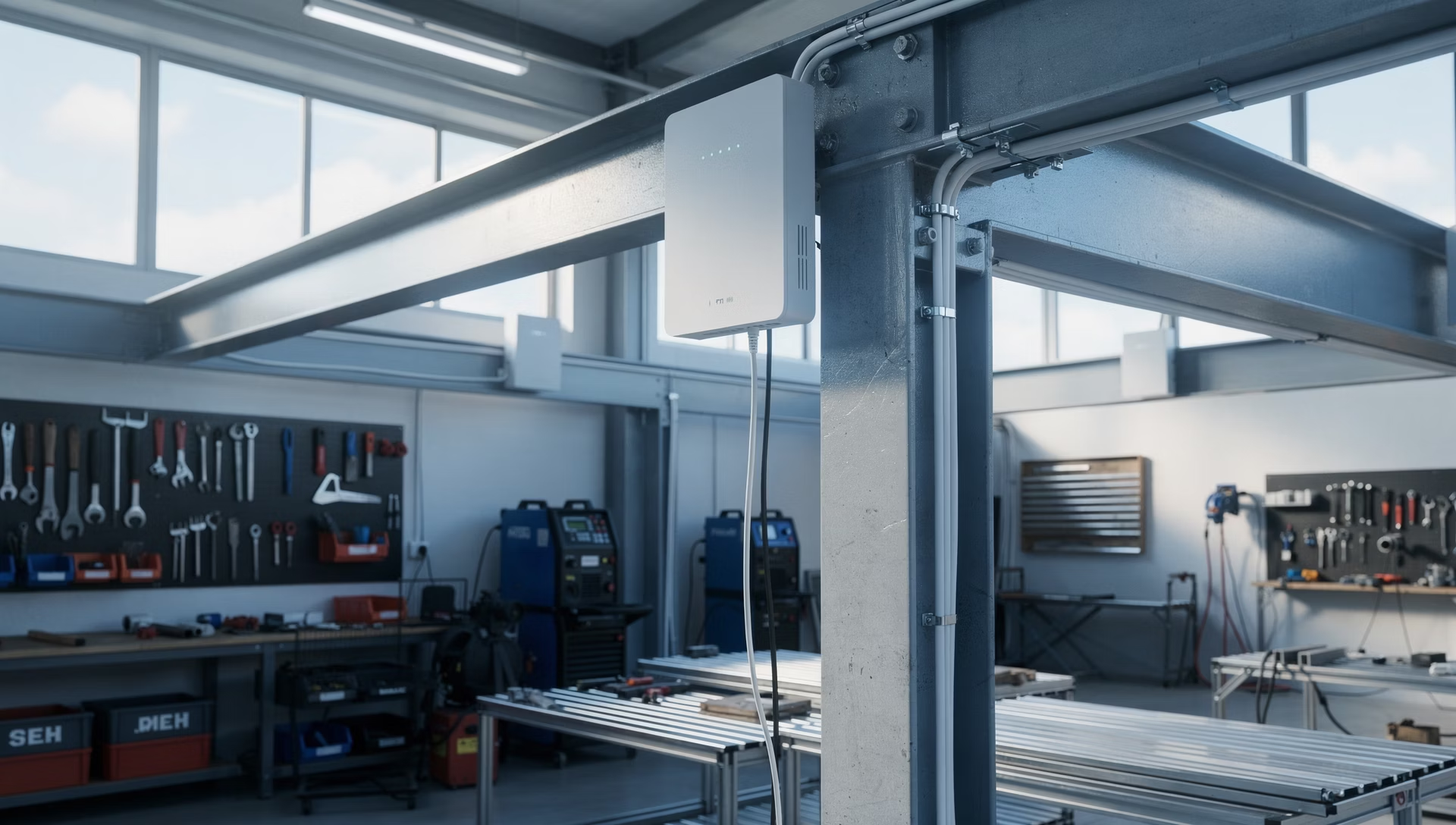
If the factory floor does not yet have a WiFi network, it is necessary to install industrial-grade wireless APs (Access Points) or adopt a Mesh network architecture. It is recommended to choose industrial-grade equipment that supports 2.4GHz and 5GHz dual-band and has PoE power supply functionality, to ensure stable coverage in complex factory environments with metal structures. We can assist in evaluating the site environment and provide network deployment recommendations.
2
What if the machine has no pulse output?
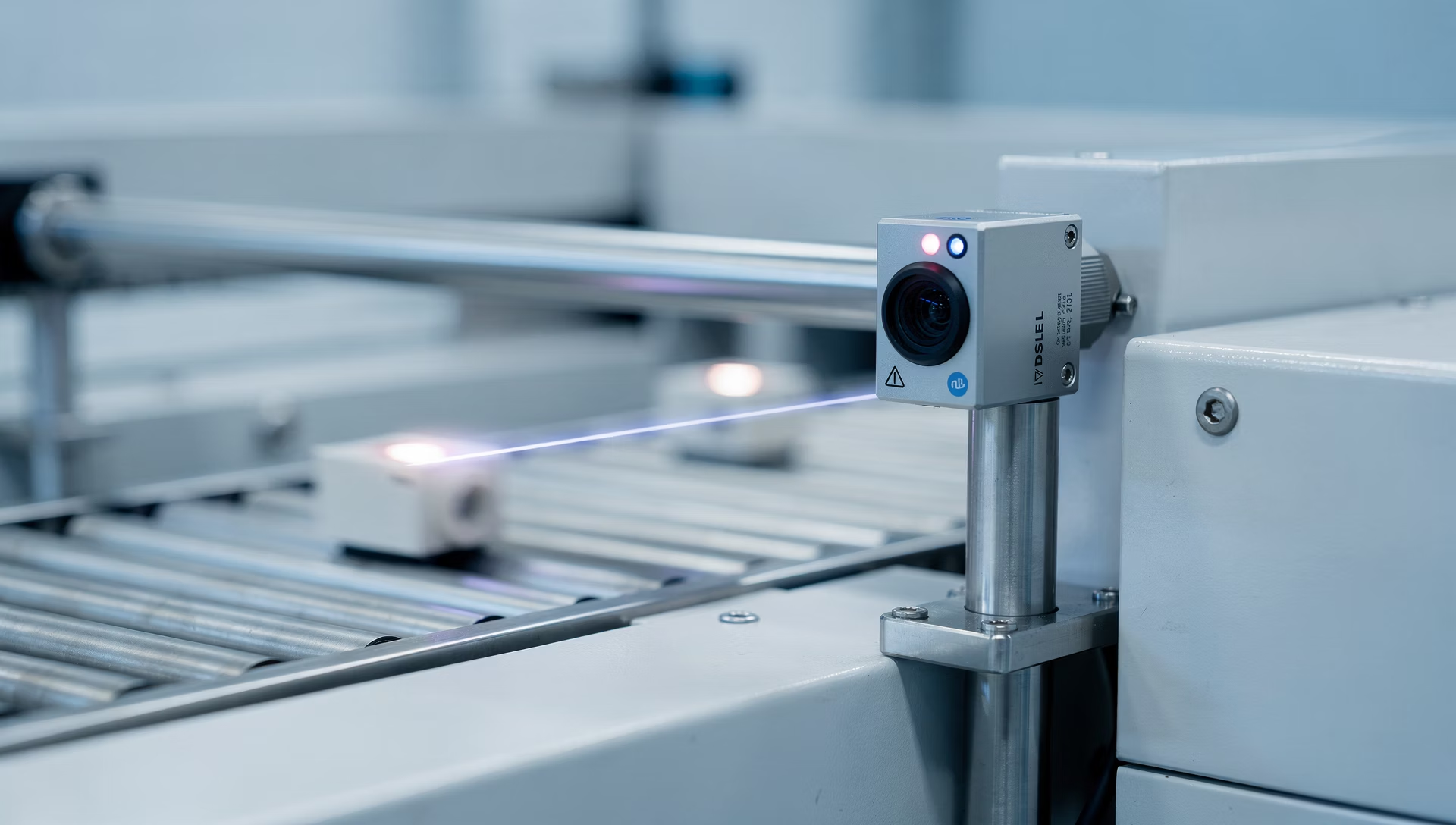
Many older machines or specific equipment types do not have built-in pulse output functions. In such cases, external sensors need to be added to generate counting signals. Common solutions include: photoelectric sensors (detecting workpiece passage), proximity switches (detecting metal objects), Hall effect sensors (detecting magnetic changes), vibration sensors (detecting machine movement), etc. We provide sensor selection consultation and installation guidance services.
3
Is RFID personnel identification a mandatory feature?
RFID is not a mandatory feature; the basic version can complete counting and wireless transmission. However, if the enterprise has the following needs, it is recommended to add it: personnel performance evaluation, multi-shift management, quality traceability, ISO certification requirements, preventing misoperations, etc. The RFID module uses a 13.56MHz frequency, is compatible with most access cards, and can be integrated with existing personnel management systems, reducing management costs through multi-purpose card usage.

4
Can data be integrated into existing ERP systems?
Yes. The WS-WiFi-CONT+ provides standard data interfacing methods, supporting multiple industrial communication protocols such as REST API, MQTT, and Modbus TCP. As long as your ERP or MES system has data import functionality or an open API, integration is possible. We provide comprehensive API documentation and technical support, and can assist with customized data format conversion if necessary, ensuring seamless connection with existing systems.
5
What are the maintenance cycle and durability of the equipment?
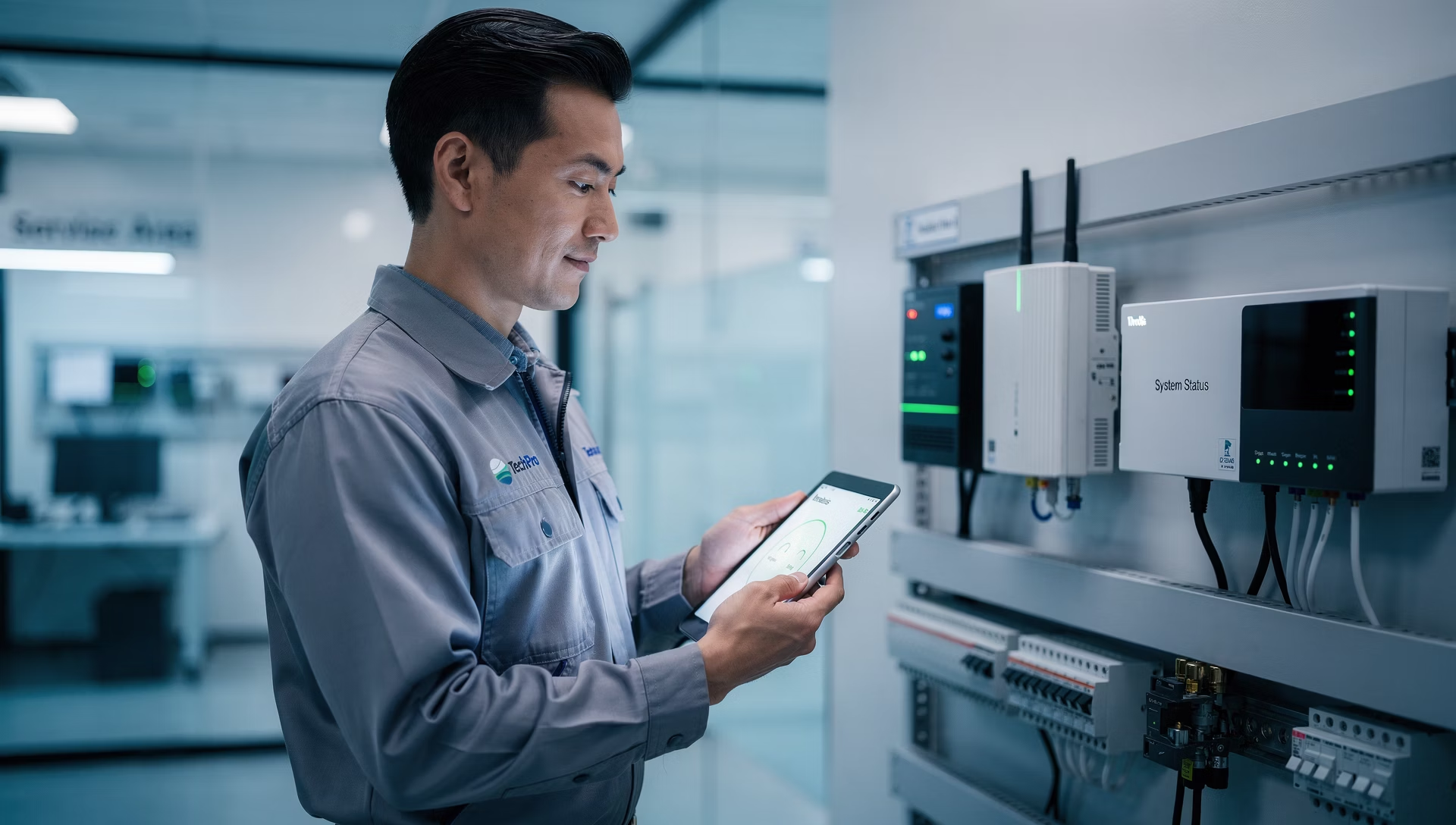
This product is designed with industrial-grade electronic components, with an MTBF (Mean Time Between Failures) exceeding 50,000 hours under normal use. Routine maintenance primarily includes: regular cleaning of the casing and antenna, checking the tightness of wiring terminals, and updating firmware versions. We recommend a basic inspection quarterly and a full calibration annually. We provide a two-year warranty service and lifetime technical support, with a sufficient inventory of replacement parts.
6
Will multiple devices interfere with each other if used simultaneously?
No. Each WiFi Wireless Machine Counter has an independent device ID and MAC address, and data is managed and distributed through a WiFi router, preventing signal conflicts. The system uses CSMA/CA collision avoidance mechanism, maintaining stable communication even in environments with up to 100 devices operating simultaneously. It is recommended that the number of devices within a single AP's coverage area does not exceed 30. If this number is exceeded, additional APs should be added to distribute the load and ensure optimal performance.
Immediately Start Smart Manufacturing Transformation
Professional Technical Support Team
We have over 15 years of industrial automation experience and a deep understanding of the actual needs and pain points of the manufacturing industry. From on-site surveys, system design, installation and construction, to subsequent maintenance, we provide comprehensive technical support services. Our engineering team is familiar with the characteristics of various machine tools and can provide customized solutions for different industries and equipment types.
By choosing WS-WiFi-CONT+, you will gain not just a set of hardware equipment, but a complete smart manufacturing upgrade partner. We help you establish a data-driven management culture, continuously optimizing process efficiency, reducing operating costs, and enhancing market competitiveness through precise production data analysis.
Flexible Implementation Solutions
We offer a trial program, allowing you to fully verify system benefits before formal implementation. You can start with a single production line or key machine, and then gradually expand to the entire factory after confirming the results. We also provide rental plans to lower initial investment thresholds, enabling small and medium-sized enterprises to enjoy the advantages of smart manufacturing.